

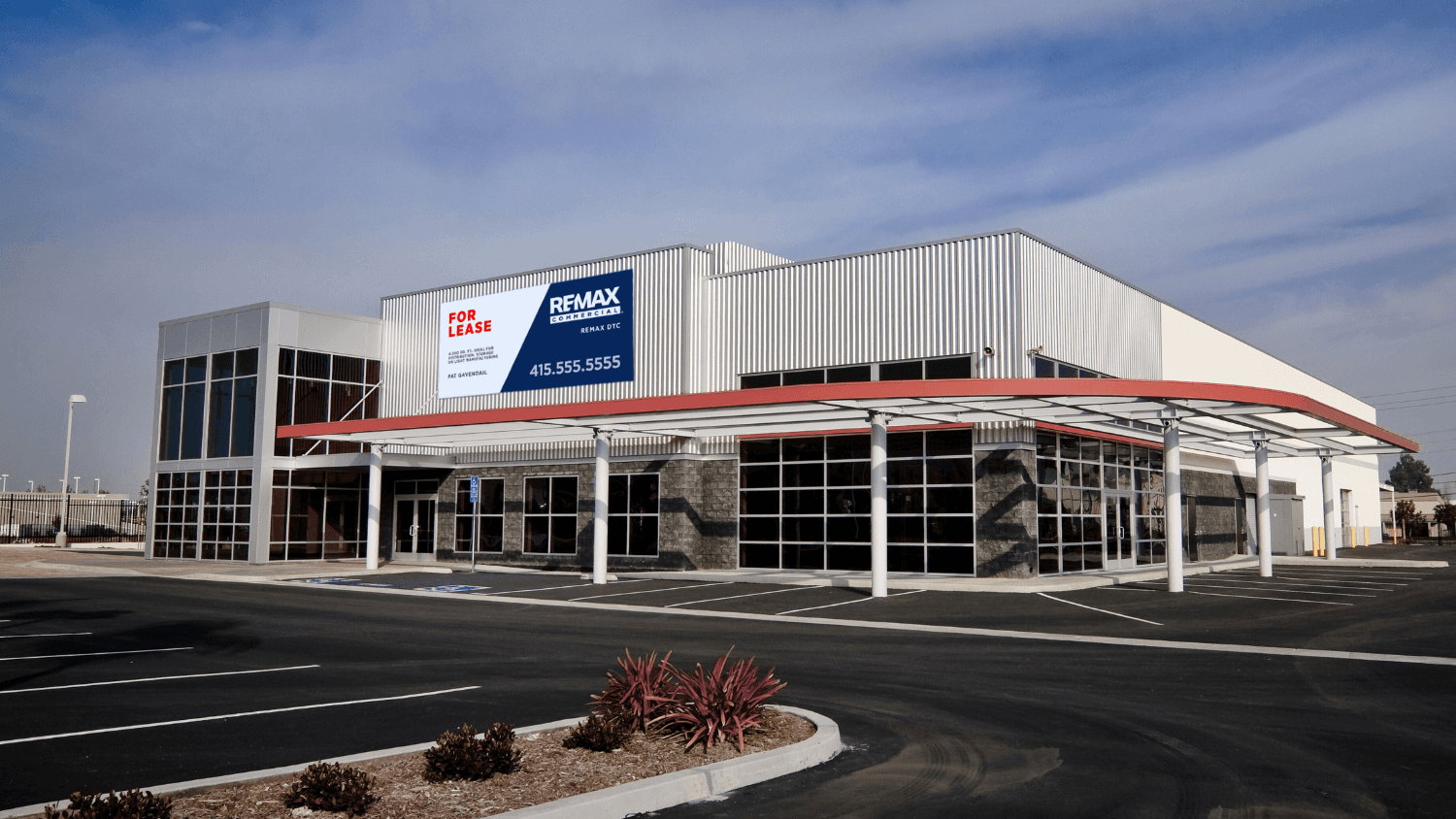
Commercial and residential property are a bit like oil and water: they’re completely different from each other and don’t usually mix except when it comes to tenants.
“Tenant reliability is one of the biggest factors influencing a landlord’s long-term success,” says Adrian Goslett, regional director and CEO of REMAX Southern Africa. “Landlords who implement a meticulous and honest tenant screening process will be better positioned to mitigate risks and ensure stable returns on their investments” are principles that apply to both categories of property. The differences arise in how they’re implemented because, in the commercial space, they “are even more critical,” Goslett argues.
In this article, we look at some of the trends impacting commercial property into 2026 and provide some pointers for commercial property owners to maintain their competitive edge. We’ll conclude with the valuable role that professional property practitioners, such as commercial agents in the REMAX network, play in supporting the landlord of a commercial property.
Commercial property demand expected to expand in 2026
As South Africa heads into 2026, commercial landlords will need to adapt to shifting rental dynamics shaped by logistical demands, flexible office uptake and stabilising retail nodes.
The South African commercial real estate market is valued at $9.28 billion in 2025; robust growth is expected between 2025 and 2033 at a Compound Annual Growth Rate (CAGR) of 7.63%. Analysts earlier this year highlighted industrial property as the fastest-growing segment, driven by significant e-commerce expansion (warehousing) and port logistics in the country’s major economic hubs, including Johannesburg, Cape Town and Durban.
Other trends include:
The return to in-office work
With the pandemic well and truly behind us, companies are increasingly moving away from remote working, expecting their staff to do their jobs in the office. While hybrid work remains a feature of the employment landscape, the in-office trend is resulting in increased demand for space. This is having a positive knock-on for commercial landlords, especially as the spectre of loadshedding retreats.
Urban renewal and mixed-use developments
There is a growing trend towards mixed-use developments that combine retail, office, and residential units, offering diversified rental options – residential, commercial, and, sometimes, industrial. Established examples of this type of precinct are Century City (Cape Town), Melrose Arch (Johannesburg) and Steyn City (Johannesburg), which combine residential apartments, retail hubs, office towers, and light industrial/logistics facilities.
Interest Rate Relief
The South African Reserve Bank is expected to continue its cautious rate-cutting cycle into 2026, which will ease financing conditions. This will offer landlords an opportunity to refinance debt and attract tenants with more competitive rental structures. However, this could, to some extent, be countered by the above inflationary electricity price hikes that are slated for early to mid-2026.
What this means for commercial landlords
In addition to the trend towards mixed-use developments, which allows landlords to diversify the type of rental income opportunity, “commercial property owners must align with tenant expectations for flexibility and sustainability to remain competitive,” Adrian Goslett advises. “Landlords who invest in energy efficient upgrades and proactive tenant engagement will be well-positioned to maximise return on their investment.”
Looking for tenants: don’t duck the due diligence
While a relatively positive market outlook bodes well, it does not take away from the challenges associated with securing stable and reliable tenants who underpin long-term success for commercial landlords. Understanding the ecosystem, especially in a sensitive economy, means that fair, market-aligned rental pricing is critical.
In a commercial context, Goslett’s “meticulous and honest screening” translates into due diligence involving financial checks, reviewing trading history, industry profile and, sometimes, business model viability. Landlords may even require documentary proof of the owners’ financial status and multi-year business projections.
Regardless of the criteria, landlords should apply the “management by no surprises” maxim so that prospective tenants understand how applications will be vetted and what to expect once they have secured the rental of their choice. As a starting point, tenants should realistically expect a landlord who is responsive and keeps their property in tip-top shape. Goslett notes that it’s no secret that landlords and properties that meet these expectations encourage tenants to stay longer and can even command higher rentals. This is where partnering with a property professional like REMAX Commercial makes sense – and cents.
Commercial rental agents add value and lighten the load
Experienced commercial property practitioners have extensive local knowledge about commercial property generally, and in all likelihood, your niche sector. REMAX, with a national footprint and a wealth of local commercial expertise, will provide market-accurate rental valuations and access to a network of vetted commercial tenants.
Here is a useful checklist of knowledge and skills to consider as you select a commercial rental agent to handle your property:
- Deep understanding of the local commercial property market, especially the niche into which your property falls
- Insight into the best use of your commercial investment
- Wherewithal to conduct a competitive analysis to benchmark your rental against similar commercial properties in the area
- Ability to define your ideal tenant profile (type of business, trading hours, fit with existing tenants)
- Capacity to establish and follow a standard procedure which incorporates your stipulated screening criteria, process and steps
- Commercial real estate agents will also provide support as you negotiate and structure often complex lease agreements, as well as handle the day-to-day property management, i.e. collections, inspections, etc. They will also communicate clearly and respond quickly to any disputes that may arise.
Looking to 2026
As we anticipate a new year, Adrian Goslett counsels that while rental demand may fluctuate, well-positioned, well-managed commercial properties could still perform reasonably well in 2026. “Landlords who focus on reliability, fairness and partnership with both tenants and property professionals are best placed to weather the cycle”, he advises.
This may be just the right time to reach out to a REMAX commercial property expert in your area for a fresh market valuation for your commercial rental and/or more hands-on support.
Have more unanswered questions? Here are some related questions – and answers – that might help…
Do commercial leases require a deposit?
Yes, tenants renting commercial properties must pay a deposit.
Is commercial rent exempt from VAT?
No, commercial property transactions fall within the scope of the VAT Act and are therefore not exempt from VAT.
Does the Rental Housing Act apply to commercial leases
No, commercial properties and leases are regulated by common law and the Consumer Protection Act.