
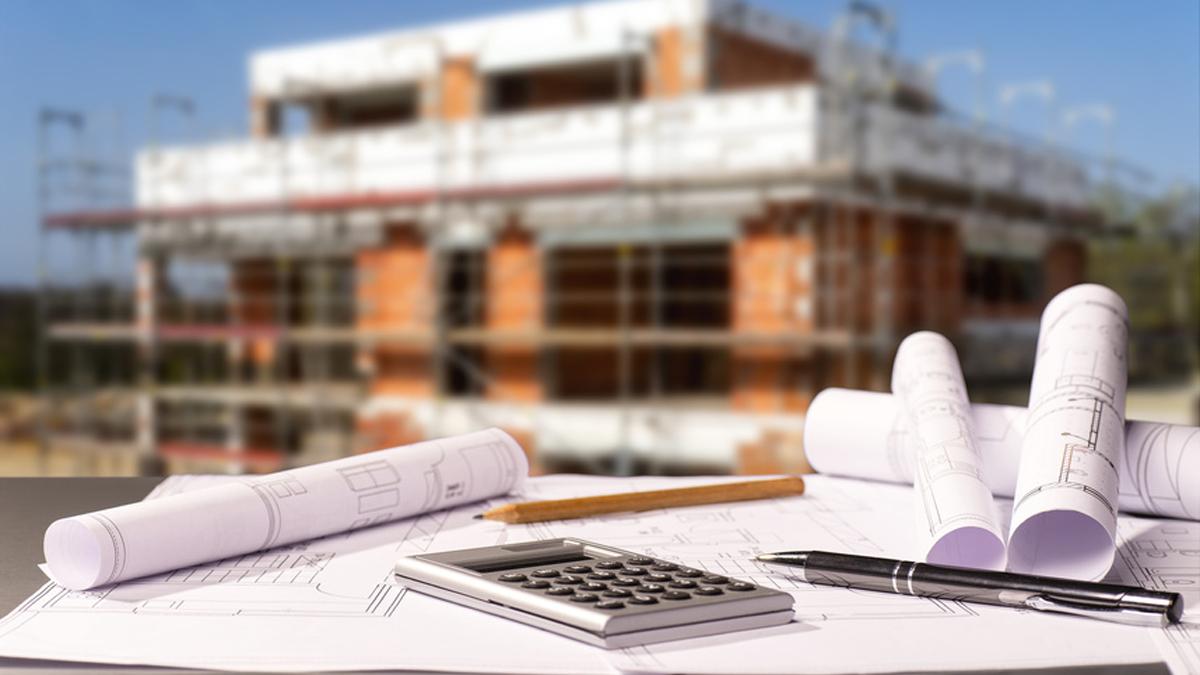
Choosing to avoid a dust cloud of ongoing construction for the next few months (or years), many opt to pack up their things and leave the moment developers move in next door. However, this might not be the most prudent financial decision, and here’s why:
SELLING EARLY LOWERS YOUR ASKING PRICE
Selling next to a construction zone is going to negatively affect the price of your property. The very same reason you want to move will be the reason buyers won’t want to purchase. However, provided that the completed project is not undesirable, the addition to your neighbourhood could actually significantly increase the value of your home.
TIME THE SALE TO MAXIMISE PROFIT
If the new development happens to be a housing development, then the flood of available stock when the project reaches completion will dilute the prices of other houses in the area. Instead of selling as soon as the project reaches completion, homeowners should hold out until the demand for available properties in the area climbs again. A popular, high-end new development that has reached capacity can significantly raise the prices of homes nearby. Selling at this point will provide homeowners with the greatest return on their investment.
WATCH OUT FOR UNDESIRBALE DEVELOPMENTS
Some developments are of a nature that will negatively affect property values. Commercial and industrial buildings, particularly the type that increase the number of heavy-duty vehicles accessing an area, low-cost housing developments that lower the standard of a suburb, and any development that goes against the existing zoning for that area can potentially decrease surrounding property values. To keep abreast of developments planned for your suburbs, you can become active members of your Home Owners, Rate Payers, and Residents Associations in your communities.
HOW TO OBJECT TO PLANS
Nobody may develop outside of the restrictions and conditions set out by local zoning criteria. However, if the developer is building within his/her rights, you can only object, with valid reasons, through the official objection channels at your local municipality in an attempt to prevent the development from going ahead.
FINAL ADVICE
At the end of the day, you cannot fight progress. If your property is near vacant land, it is likely that there will be development in due time. If you want to avoid this, try and purchase in fully-developed, modern neighbourhoods that are unlikely to attract developers in the foreseeable future.
Advice sourced from Grant Gavin, Broker/Owner of RE/MAX Panache.